Eco-Friendly Approaches: How E-Waste Recycling Services Are Preserving Our Planet
Electronic waste presents serious dangers to the environment, as disposed electronics frequently harbor hazardous substances. Such dangerous compounds can pollute soil and water supplies, leading to broader ecological damage. E-waste recycling initiatives provide a practical answer. They not only recover valuable resources but also mitigate pollution. Gaining insight into how these programs function and affect local communities is critical. Pursuing efficient e-waste management brings forth pressing questions regarding individual duties and shared responsibility. What steps can be taken next?
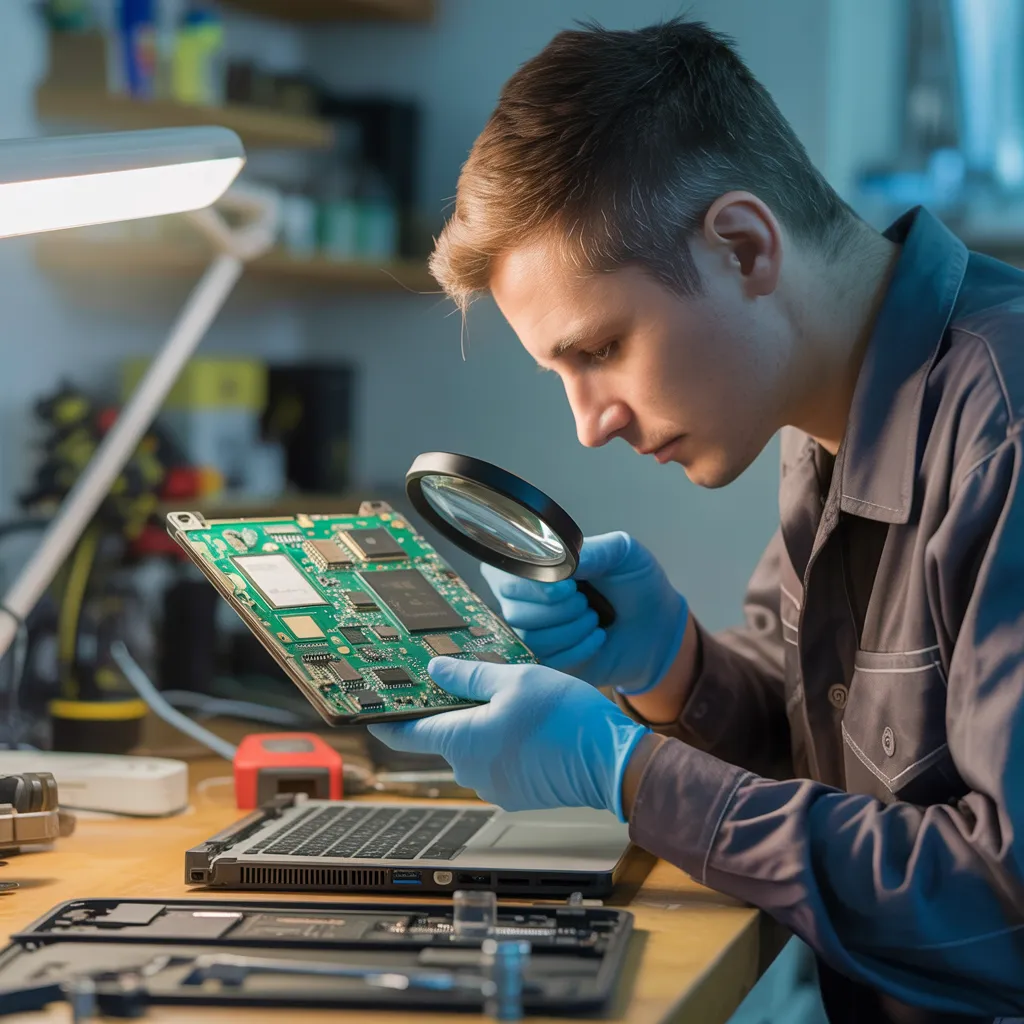
Why E-Waste Poses a Threat to the Planet
Although technology enriches our daily lives, electronic waste presents serious threats to the environment. Disposed electronic equipment, often containing dangerous compounds like mercury, lead, and cadmium, are capable of seeping pollutants into soil and groundwater, creating hazards for ecosystems and human health. The rapid pace of technological advancement contributes to higher rates of electronics disposal among consumers, worsening the buildup of e-waste.
Landfills, already strained by waste, are unable to keep up with the rising quantities of abandoned electronics. Burning, an alternative disposal approach, discharges toxic contaminants into the air, worsening overall air quality. In addition, improper recycling practices can lead to the exportation of e-waste to developing countries, where laborers may dismantle devices without adequate safety measures, exposing themselves to dangerous substances. This pattern of negligence and mismanagement highlights the critical demand for eco-friendly recycling alternatives that can reduce the damaging impact of electronic waste on the environment.
What Is E-Waste and Why Does It Matter?
Electronic waste, commonly known as e-waste, comprises unwanted electronic equipment such as computers, smartphones, and televisions that have reached the end of their useful life. This growing category of waste is significant because of its swift buildup, driven by technological advancements and consumer trends. With an increasing number of devices reaching obsolescence, the ecological consequences become more pronounced, with toxic materials such as lead, mercury, and cadmium presenting serious hazards to the environment and human well-being.
The importance of addressing e-waste lies not only in mitigating these hazards but also in recognizing the valuable materials it contains. Valuable metals and rare earth materials can be extracted and Try it free repurposed, lessening the demand for mining and preserving natural resources. With a thorough understanding of e-waste and its impact, people and organizations alike can make educated decisions about disposal and recycling, helping to build a more sustainable world. Effective handling of e-waste is vital for encouraging a circular economy and advancing environmental responsibility.
How the E-Waste Recycling Process Works
E-waste recycling entails a structured approach designed to recover valuable materials while limiting ecological damage. At the outset, discarded electronics are retrieved and sent to purpose-built recycling plants. Once there, the equipment is meticulously organized to separate hazardous components from recyclable materials.
After this step, specialists dismantle the devices, removing plastics, metals, and glass. This process is vital, as it facilitates the reclamation of precious metals like gold, silver, and copper, which are repurposed in new electronics.
Next, the isolated materials are handled using advanced techniques, such as shredding and chemical treatments, to cleanse them for repurposing.
Ultimately, the residual hazardous materials are disposed of responsibly, following eco-friendly standards. This comprehensive process not only conserves resources but also mitigates the risks connected to unsafe e-waste handling, securing a more eco-conscious future for the consumption of electronics.
Benefits of E-Waste Recycling for You and Your Community
Though many people are unaware, the positive effects of e-waste recycling reach well past personal use to meaningfully influence entire communities. By carefully processing electronic waste, individuals play a role in creating a safer environment, reducing harmful substances that can seep into soil and water. This proactive approach actively safeguards local ecosystems and supports public health.
Additionally, the recycling of e-waste encourages employment opportunities within local communities. Local recycling facilities often require personnel for numerous tasks, spanning collection through processing, thus generating valuable job opportunities within the community. This not only enhances the community economy but also fosters community involvement in eco-friendly practices.
Moreover, knowledge about e-waste recycling can lead to community outreach programs, empowering residents to adopt eco-friendly choices. By participating in e-waste recycling programs, individuals cultivate a culture of sustainability, encouraging others to join the movement. All things considered, the cumulative impact of these actions can result in a more sustainable and conscientious community.
How to Pick an E-Waste Recycling Service
Selecting the best e-waste disposal service is essential for making sure that electronic waste is managed responsibly and sustainably. First, consumers should verify the provider's accreditations, such as e-Stewards or R2, which demonstrate adherence to industry standards for secure waste disposal procedures. It's also important to evaluate the organization's standing by checking reviews and looking for referrals from reliable sources.
Moreover, openness in the recycling process is crucial. A reliable provider should offer detailed insights about the manner in which e-waste is managed and how the materials are utilized. Additionally, evaluating the range of services offered can be beneficial; certain providers may offer collection services or present rewards for recycling.
Furthermore, familiarizing yourself with local regulations regarding e-waste disposal can help inform the evaluation process. By prioritizing these factors, individuals can contribute to successful electronic waste reduction while also advancing sustainable environmental efforts.
How You Can Get Involved in E-Waste Recycling?
Participating in e-waste recycling can start at the local level, where recycling centers often provide essential services for safe disposal. Additionally, participating in community awareness campaigns can strengthen efforts to educate others about the importance of ethical e-waste practices. These initiatives not only advance environmental sustainability but also build a collective sense of accountability for the environment.
Local Recycling Centers
A wide range of regional recycling hubs perform an important function in e-waste recycling, providing communities with accessible options to manage electronic waste appropriately. These facilities handle a selection of electronic devices, including outdated computers, mobile phones, and TVs, guaranteeing that dangerous substances are processed safely. The majority of facilities employ qualified professionals who support individuals in understanding proper disposal practices, emphasizing the importance of recycling over landfilling. In addition, various hubs coordinate organized drop-off opportunities or appointed collection periods, allowing residents to take part with ease. Through the use of these community services, individuals contribute to a circular economy, decreasing environmental damage and advancing sustainable approaches. Partnering with these facilities encourages communities to fight e-waste pollution decisively.
Public Awareness Initiatives
Community groups, educational institutions, and companies can partner to arrange initiatives that encourage e-waste collection drives. Volunteers can play a pivotal role in promoting knowledge, handing out educational content, and interacting with the surrounding community. By means of these joint initiatives, local inhabitants gain greater awareness and encouragement to properly recycle their e-waste, ultimately contributing to a more sustainable future.
Questions We Often Receive
What Types of Electronics Can Be Recycled?
Numerous electronics are able to be recycled, including smartphones, computers, laptops, televisions, printers, and gaming consoles. In addition, peripherals such as mice, keyboards, and batteries are well-suited for recycling, contributing to sustainable environmental practices.
Do Any Costs Come With E-Waste Recycling?
That's correct, electronic waste recycling may involve charges, subject to the facility. Certain providers charge fees for gathering or treatment, while others make services available at no charge, typically funded by the proceeds from salvaged materials.
What Are the Benefits of E-Waste Recycling for Businesses?
Businesses can benefit from e-waste recycling by reducing disposal costs, improving their green reputation, complying with regulations, recovering valuable materials, and creating potential earnings via resale, thereby fostering a more environmentally responsible business approach.
What Occurs with Data on Recycled Devices?
Information regarding repurposed devices is frequently completely removed or destroyed during processing. This ensures private details stays protected, blocking unwanted intrusion while enabling resources to be repurposed securely and sustainably in new products.
Is It Possible to Recycle Damaged Electronics?
Indeed, non-functioning electronics are able to be recycled. Numerous facilities accept defective devices, guaranteeing responsible disposal and retrieval of valuable materials. This helps decrease harm to the environment while supporting sustainable recycling habits to control electronic waste effectively.